

See Our Latest Finance Deals
Spread the cost of your home improvement Interest Free Over 2 Or 3 Years*

4.9/5 - 611 Reviews
Read Reviews
100% - 88 Reviews
Read Reviews
4.9 - 635 Reviews
Read Reviews Read ReviewsSpread the cost of your home improvement Interest Free Over 2 Or 3 Years*

Proven performance, trusted by hundreds of customers - the SleekSkin finish!

Premium Window Shutters for Style & Privacy

Transform your home with new windows, doors, shutters or a conservatory - pay nothing until 2027.

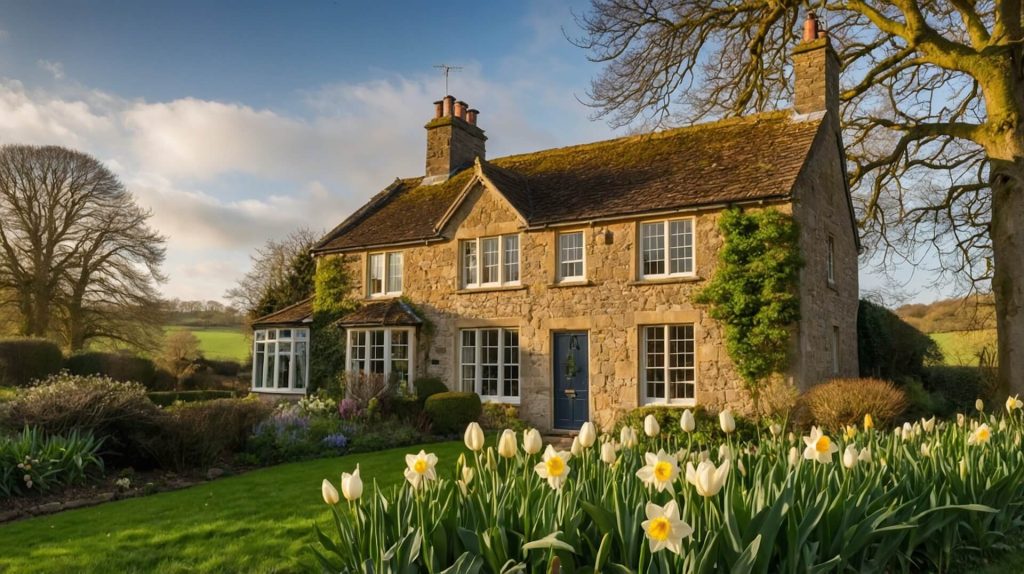
When planning new windows for your home, the frame material you choose has a far greater impact than most homeowners realise.
Beyond simply holding the glass in place, your window frame directly affects how well your home retains heat, how secure it is against intruders, and how it looks from the street.
Choose well, and you’ll enjoy warmer rooms, lower energy bills, and a refreshed exterior for decades to come.
Today’s uPVC frames have come a long way from the chunky, boxy profiles of the past. Modern uPVC is available in a wide range of styles and finishes, from authentic woodgrain effects in English Oak and Cotswold Green to heritage colours like Clotted Cream.
There are also classic options such as white and rosewood, which remain among the most popular choices. This means there is a uPVC option to complement virtually any property, from a Victorian terrace to a modern new-build.
At Emerald Windows, we’ve spent over a decade installing high-quality windows across the South and M4 corridor – and we know from thousands of installations that there’s no single “best” frame. The right choice depends on your property type, your lifestyle, and what you want your home to look, feel, and perform like for years ahead.
This guide breaks down the key window frame materials available in the UK today, so you can make an informed, confident decision.
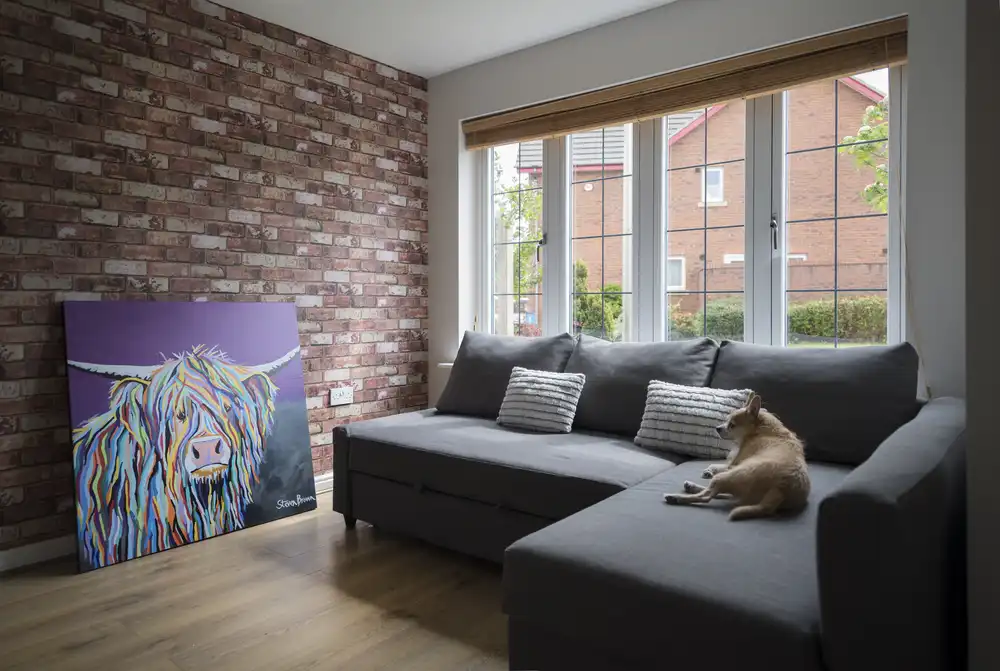
Un-plasticised polyvinyl chloride – better known as uPVC – is the UK’s most popular window frame material, and it has earned that reputation.
Today’s uPVC frames have come a long way from the chunky, boxy profiles of the past. Modern uPVC is available in a wide range of styles and finishes, from authentic woodgrain effects in English Oak and Cotswold Green to heritage colours like Clotted Cream – meaning there’s a uPVC option to complement virtually any property, from a Victorian terrace to a modern new-build.
For the majority of homeowners looking for a cost-effective, high-performance upgrade with zero upkeep, uPVC is an excellent choice.
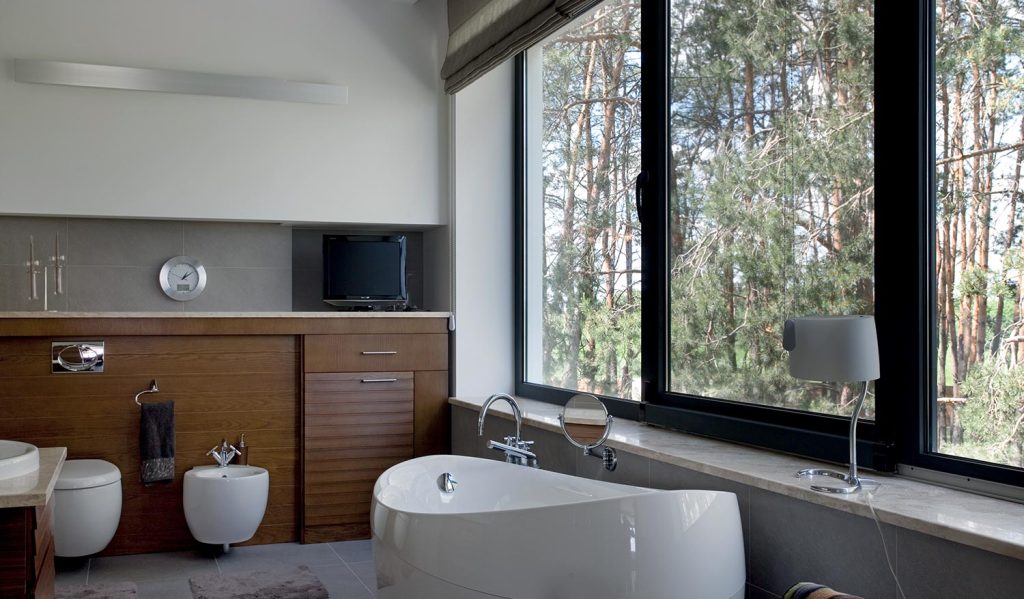
For homeowners who want a sleek, contemporary look – or are planning a large glazed extension – aluminium window frames are hard to beat.
Aluminium is exceptionally strong for its weight, which means the profiles can be made significantly thinner than uPVC or timber without any compromise to structural integrity or security.
Those slim sightlines allow for larger panes of glass, flooding your rooms with natural light and offering unobstructed views of your garden or surroundings. It’s one of the reasons aluminium is such a popular choice for modern extensions, open-plan spaces, and new builds – especially when paired with bi-fold or large patio doors.
Aluminium carries a higher upfront cost than uPVC, but its exceptional lifespan makes it outstanding value over the long term.
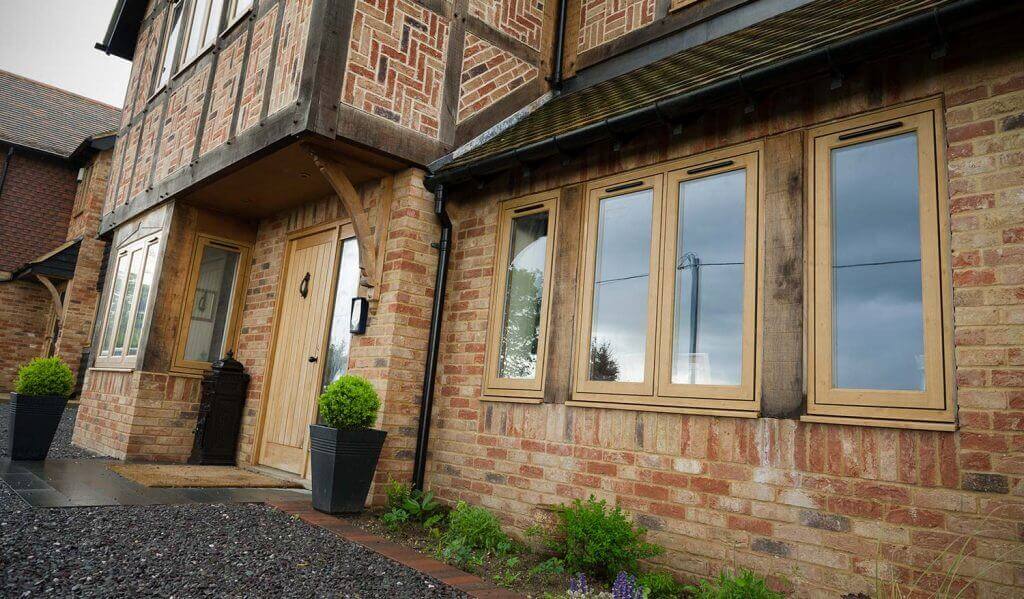
For period properties, listed buildings, rural cottages, and conservation areas, preserving the character of the building is often just as important as performance. That’s where timber-effect uPVC windows come in.
Engineered to faithfully replicate the look of real wood – complete with authentic grain textures and heritage colour options – they give your home the warmth and charm of traditional timber frames without any of the maintenance demands.
Unlike real timber, which needs repainting or re-staining every few years to prevent moisture ingress, rot, and UV damage, timber-effect uPVC requires nothing more than an occasional wipe down. And because the profiles are made from modern uPVC, they come with all the thermal and security benefits of a standard uPVC frame.
With energy costs remaining a key concern for UK homeowners, the thermal performance of your window frames matters more than ever. Here’s how the main materials stack up:
| Frame Material | Thermal Performance | Maintenance | Lifespan | Typical Cost |
| uPVC | Excellent (multi-chamber profiles) | Very low | 20–35 years | £ |
| Aluminium | Excellent (with thermal break) | Very low | 30–40+ years | ££ |
| Timber-effect uPVC | Excellent (multi-chamber profiles) | Very low | 20–35 years | ££ |
Both uPVC and aluminium, when correctly specified and combined with double or triple glazing, can achieve strong Window Energy Ratings (WER). The key is ensuring your glazing package is matched to your frame – something our team can advise on in detail.
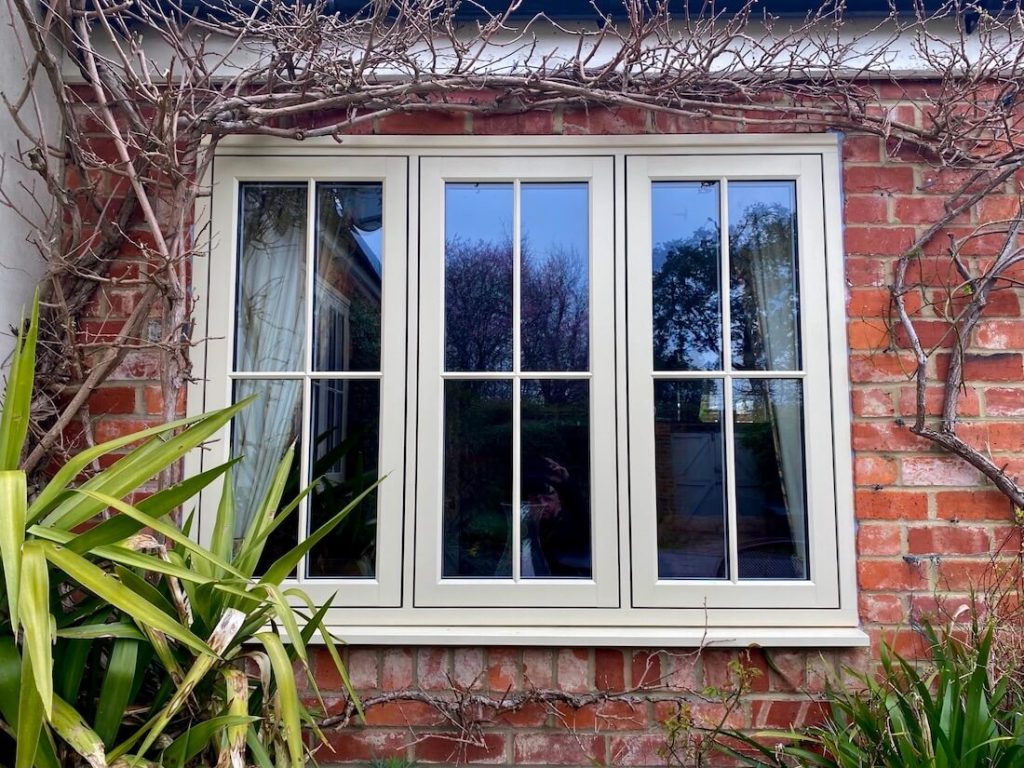
The best frame for your property depends on three main factors: the age and style of your home, how much maintenance you’re happy to commit to, and your budget.
We know choosing between different types of window frames can feel overwhelming – but it doesn’t have to be. At Emerald Windows, our team provides straightforward, pressure-free advice based on your home, your priorities, and your budget.
We’ll explain the practical differences between materials, help you understand what’s right for your property, and make sure you’re completely confident before any decisions are made.
Ready to get started? We’d love to help.
We pride ourselves on the hundreds of customer reviews that we have collected over our many years of trading. Why not read some of our testimonials yourself, and see how our customers have rated their experience with our service.
See All ReviewsEmerald windows were brilliant. The patio door was removed and replaced with a window. All work was carried out from bricking up the outside to plastering the inside. Great work...

We worried about choosing a window company. We looked at all the usual national firms but we preferred the feel of a smaller local family run business as the rep...
Very pleased with the whole process from Mark letting us see and touch the product in the showroom in Swindon (many don't!), to a transparent price breakdown, no "buy now...

Highly recommend Emerald Windows and Doors; new Front and back doors fitted yesterday. Cannot praise Mark the Fitter enough, courteous, friendly and very helpful. Top job with attention to detail...

Emerald windows have just installed a new composite front door to our property. We are very pleased with the product and the installers were polite, professional and have carried out...