


See Our Latest Finance Deals
Spread the cost of your home improvement Interest Free Over 2 Or 3 Years*

4.9/5 - 604 Reviews
Read Reviews
100% - 88 Reviews
Read Reviews
4.9 - 581 Reviews
Read Reviews Read ReviewsSpread the cost of your home improvement Interest Free Over 2 Or 3 Years*

Proven performance, trusted by hundreds of customers - the SleekSkin finish!

Premium Window Shutters for Style & Privacy

Transform your home with new windows, doors, shutters or a conservatory - pay nothing until 2027.

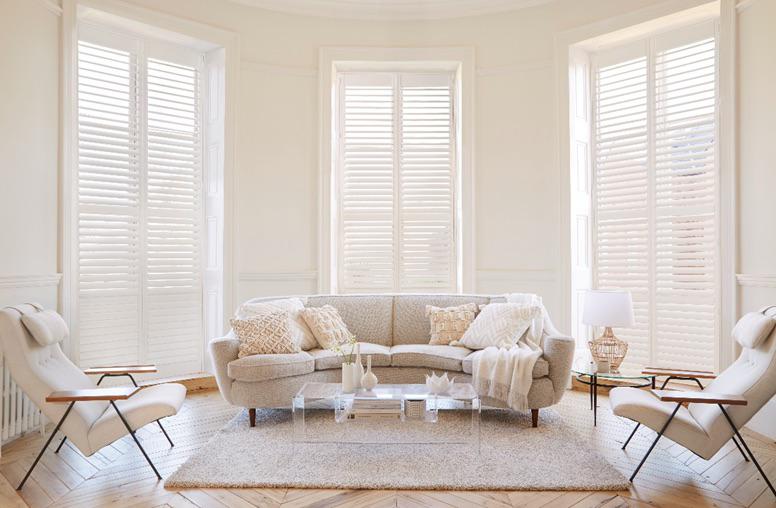
A room that feels cosy in winter can quickly become unbearable when hot weather comes along.
When warm weather arrives, many homes can start to feel stuffy, bright, and difficult to relax in. Bedrooms become harder to sleep in, conservatories can feel unusable, and rooms with lots of direct sunlight can quickly become uncomfortable during the day.
In many homes around Swindon, we often see south-facing bedrooms, conservatories, and rooms with older glazing become the hardest spaces to keep comfortable during warm spells.
The good news is that a few simple changes can make a noticeable difference. By managing sunlight, ventilation, and airflow properly, you can help keep your home feeling cooler and more comfortable during hot weather.
Before looking at longer-term improvements, there are a few simple steps that can help straight away:
These small changes work best when used together. The aim is to stop rooms from heating up in the first place, rather than trying to cool them down once they are already uncomfortable.
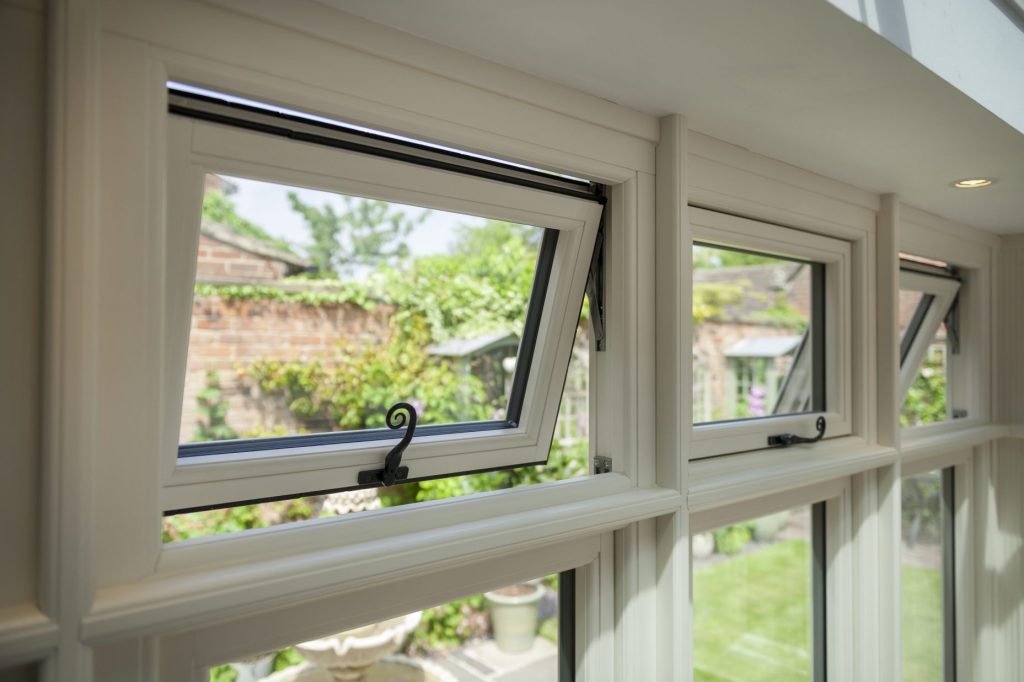
It can be tempting to open every window as soon as the house starts to feel warm, but this is not always the best approach.
During the hottest part of the day, opening windows can allow more warm air into the home, especially when the temperature outside is higher than it is indoors. Instead, open windows earlier in the morning or later in the evening when the air outside is cooler.
Where possible, create cross-ventilation by opening windows on opposite sides of the home. This helps air move through the property, rather than letting warm air sit in one room.
Once the outdoor temperature starts to rise, closing windows in the warmest parts of the home helps reduce the amount of hot air coming inside.
Also, we recommend keeping uPVC doors closed at all times to prevent expansion and doors from temporarily dropping.
Direct sunlight is one of the biggest reasons rooms heat up quickly. Large windows, patio doors, and south-facing rooms can allow a lot of sunlight into the home, which raises the temperature throughout the day.
Keeping blinds, curtains, or shutters closed during the brightest part of the day reduces glare and limits how much direct sunlight enters the room. This is especially useful in bedrooms, living rooms, conservatories, and home offices.
Shutters are particularly practical during summer because they give you more control over light, privacy, and airflow. The louvres can be angled to reduce direct sunlight while still allowing natural light into the room, helping the space feel comfortable without being completely closed off.
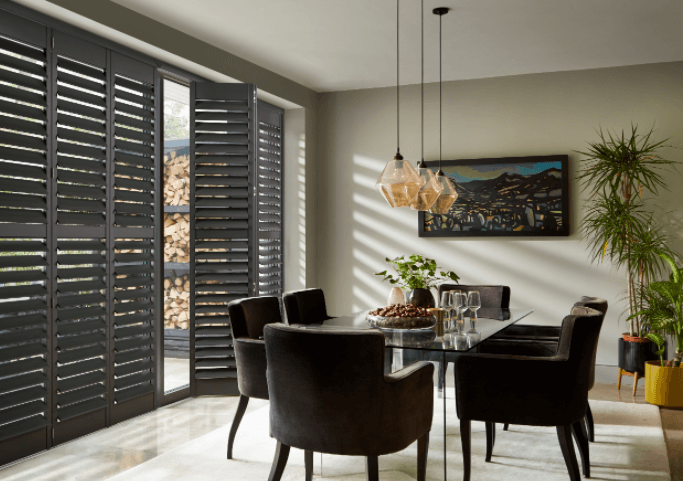
Shutters can help make rooms feel more comfortable during hot weather by reducing direct sunlight and glare.
Unlike standard curtains, shutters allow you to adjust the angle of the louvres throughout the day. This means you can block harsh sunlight while still allowing some light and airflow into the room.
They are especially useful for bedrooms, living rooms, home offices, and front-facing rooms where privacy is still important. During summer, keeping shutters closed or partially angled before the sun reaches the window slows down heat build-up and helps the room stay more comfortable for longer.
One of the best ways to keep a room cooler is to stop it from heating up in the first place.
Rather than waiting until a room already feels too hot, close blinds, curtains, or shutters before the sun is at its strongest. This slows down heat build-up and makes the room more comfortable later in the day.
It also helps to move furniture, pet beds, or electronics away from direct sunlight where possible. Electronics and dark furniture can absorb heat, which adds to the warmth of the room.
For homes with gardens or outdoor spaces, external shading such as trees, awnings, or pergolas can also reduce the amount of direct sunlight reaching windows and doors.
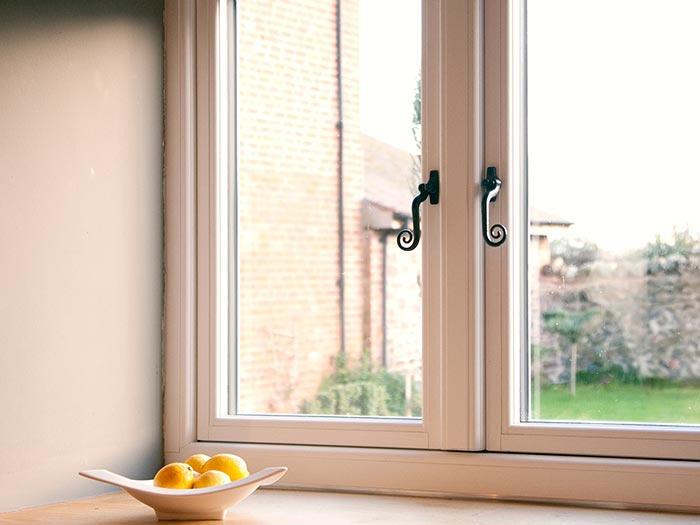
Bedrooms can be one of the most frustrating rooms during hot weather, especially when they catch the sun during the afternoon or evening.
To help keep bedrooms cooler, try closing blinds, curtains, or shutters during the day before the room has a chance to heat up. Then, open the windows later in the evening once the temperature outside has dropped.
If possible, create airflow by opening another window elsewhere in the home. This can help move warm air out and bring cooler air through.
Fans can also help, but they work best when the room has already been protected from direct sunlight. If the bedroom has been heating up all day, a fan may only move warm air around rather than making the space properly comfortable.
If you’re ever in bed and unable to sleep due to the heat, try facing a fan out of the window, as the outside will likely be cooler than the inside of the room.
Ventilation plays an important role in keeping a home comfortable, but it works best when used at the right times.
Opening windows during cooler parts of the day helps bring fresh air into the home. Internal doors can also help manage airflow. In some cases, keeping doors open allows air to move between rooms. In others, closing off a particularly warm room stops heat from spreading further through the house.
Trickle vents can also provide background ventilation. They are not a quick fix for a hot room, but they allow a small amount of airflow without needing to leave windows wide open. This can be useful when you want ventilation while keeping the window itself closed.
Good ventilation, combined with shading and sensible window use, helps make the home feel fresher during warm weather.
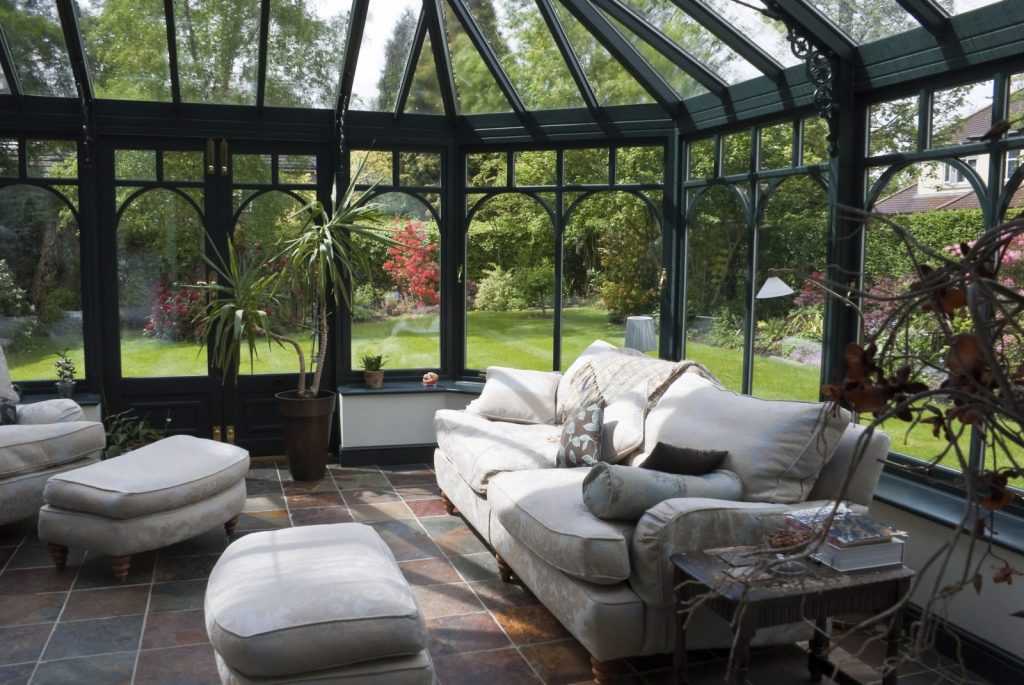
Conservatories are often one of the first rooms to become uncomfortable during hot weather. Because they are usually built with large areas of glass and roof glazing, they can heat up quickly when exposed to direct sunlight.
Opening windows during cooler parts of the day can help. Blinds, shutters, and roof shading can also reduce glare and limit direct sunlight.
However, if a conservatory is regularly too hot in summer and too cold in winter, the issue may be more than just the weather. Older glass or polycarbonate roofs can make it difficult to use the room comfortably throughout the year.
A conservatory should feel like a usable part of the home, not a space that only works when the weather is mild. For some homeowners, upgrading to a modern warm roof can help make the room more comfortable across every season.
Older windows can make it harder to keep a home comfortable throughout the year. Poor seals, outdated glazing, and general wear can all affect how a room feels in both warm and cold weather.
Modern windows can improve the overall comfort of a home, especially when paired with good ventilation and shading. Depending on the style and glass options chosen, newer windows may also help reduce glare, improve insulation, and make rooms feel more pleasant to use year-round.
Windows are only one part of the bigger picture. Keeping a home cooler in summer usually comes down to a combination of good habits, effective shading, ventilation, and suitable glazing.
Fans can be helpful during hot weather, but they work best when used alongside other cooling methods.
Place fans near cooler air sources in the morning or evening to help move fresh air through the room. If you are cooling the home after a warm day, use fans to encourage airflow between open windows.
During the hottest part of the day, fans may make you feel cooler, but they will not stop direct sunlight from heating the room. This is why they are most effective when combined with closed blinds, curtains, or shutters.
Heat does not only come from outside. Everyday activities inside the home can also make rooms feel warmer.
During particularly hot days, avoid using ovens or hobs during the hottest part of the afternoon where possible. Turning off unused electronics, using extractor fans when cooking or showering, and keeping lights off in rooms that are not being used can also help reduce unnecessary heat.
These are small changes, but together they help make the home feel more comfortable.
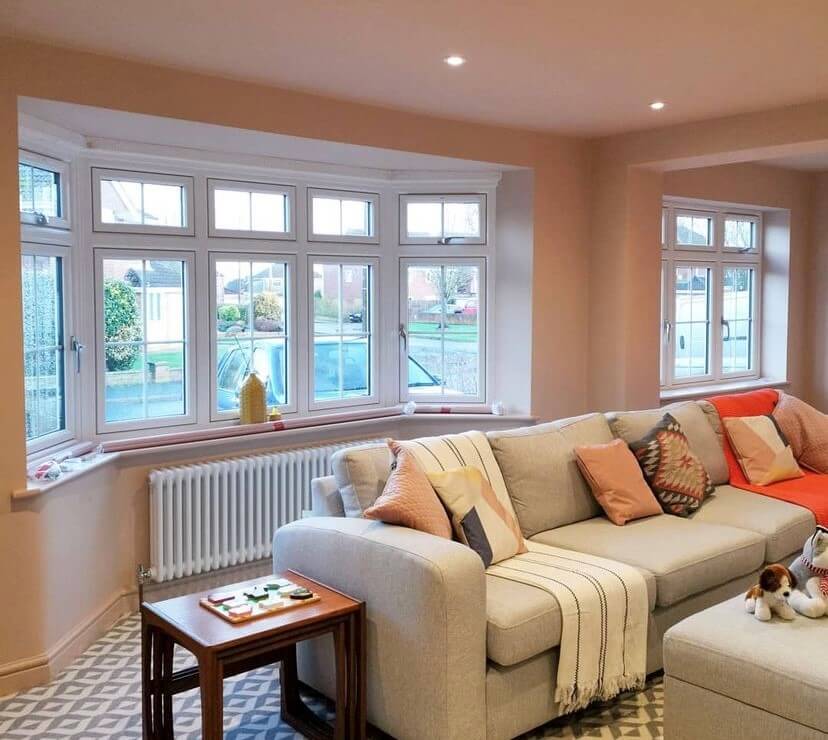
Small changes can make a noticeable difference during hot weather. Opening windows at the right time, reducing direct sunlight, using shutters or blinds, and improving airflow can all help make the home feel cooler and more comfortable.
However, if certain rooms are always too warm, difficult to ventilate, or uncomfortable to use, it may be worth looking at the bigger picture. Older windows, poor shading, and outdated conservatory roofs can all affect how a home feels throughout the year.
At Emerald Windows and Doors, we help homeowners improve their homes with a range of options, including replacement windows, shutters, doors, and conservatory roof upgrades.
Whether you are looking to make a room more comfortable, improve the appearance of your home, or create a space that works better all year round, our team would be happy to offer advice.
If you are not sure whether shutters, new windows, or a conservatory roof upgrade would be the right option for your home, you are always welcome to visit our Swindon showroom.
Our team can talk you through the different options, show you examples in person, and help you understand what may work best for your room, your home, and how you use the space.
You can also fill out our contact form and a member of our team will be happy to get back to you with advice.
Whether you are trying to make a sunny bedroom more comfortable, reduce glare in a living room, or turn a hot conservatory into a more usable space, we are here to help.
Your home should feel comfortable in every season – not just when the weather behaves.
We pride ourselves on the hundreds of customer reviews that we have collected over our many years of trading. Why not read some of our testimonials yourself, and see how our customers have rated their experience with our service.
See All ReviewsEmerald windows were brilliant. The patio door was removed and replaced with a window. All work was carried out from bricking up the outside to plastering the inside. Great work...

We worried about choosing a window company. We looked at all the usual national firms but we preferred the feel of a smaller local family run business as the rep...
Very pleased with the whole process from Mark letting us see and touch the product in the showroom in Swindon (many don't!), to a transparent price breakdown, no "buy now...

Highly recommend Emerald Windows and Doors; new Front and back doors fitted yesterday. Cannot praise Mark the Fitter enough, courteous, friendly and very helpful. Top job with attention to detail...

Emerald windows have just installed a new composite front door to our property. We are very pleased with the product and the installers were polite, professional and have carried out...