

See Our Latest Finance Deals
Spread the cost of your home improvement Interest Free Over 2 Or 3 Years*

4.9/5 - 604 Reviews
Read Reviews
100% - 88 Reviews
Read Reviews
4.9 - 581 Reviews
Read Reviews Read ReviewsSpread the cost of your home improvement Interest Free Over 2 Or 3 Years*

Proven performance, trusted by hundreds of customers - the SleekSkin finish!

Premium Window Shutters for Style & Privacy

Transform your home with new windows, doors, shutters or a conservatory - pay nothing until 2027.

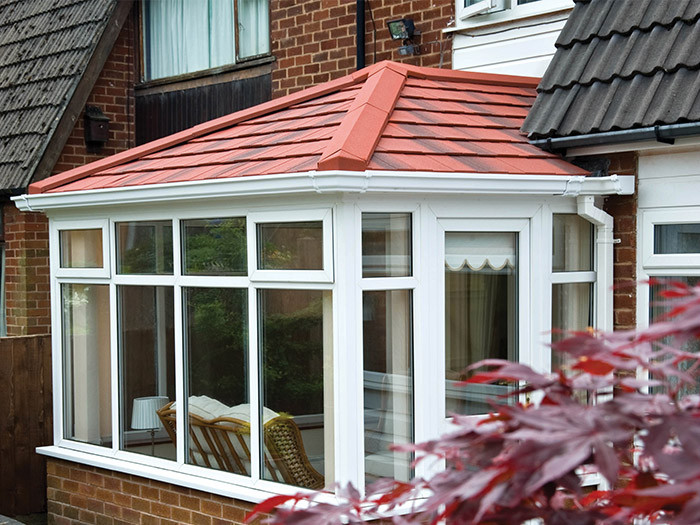
If you have been researching a conservatory warm roof, you have probably come across the term again and again. It is one of the most used phrases in the industry, and for good reason.
A properly designed warm roof system for conservatories can transform a conservatory into a comfortable, year-round living space.
However, not every roof advertised as a warm roof is actually a true warm roof system.
Some companies use the term simply because the roof is better insulated than a traditional glass or polycarbonate roof. While these roofs may still offer improvements in comfort, they do not always meet the criteria of a genuine warm roof construction.
In this guide, we will explain what a true conservatory warm roof system is, how it works, and why the difference matters if you are considering a conservatory roof replacement.
In construction terms, a warm roof is not just a marketing phrase. It describes a specific roof build-up where the insulation forms a continuous thermal layer, keeping the structure of the roof on the warm side of the building.
This design helps prevent cold spots within the structure, reducing the risk of condensation and improving energy efficiency in your conservatory.
A genuine warm roof construction is designed as a complete structure, not just an insulated covering.
It typically includes:
These elements work together to keep the roof structure warm and dry, not just the room below it.
In older or poorly designed conservatory roofs, condensation forms when warm air from inside the home reaches cold structural elements.
This trapped moisture can lead to damp insulation, mould growth, and even structural damage over time.
True warm roof systems for conservatories are designed to prevent this from happening in the first place.
Instead of relying on cold roof ventilation voids, the structure is kept within the insulated envelope, so condensation is far less likely to form.
That is why properly designed systems are condensation tested and engineered as complete roof solutions, rather than simply adding insulation to an existing roof.
In short, no.
In some cases, companies use the term warm roof simply because their roof feels warmer than the one it replaces.
For example, a basic tiled conservatory roof with insulation may:
While these benefits are real, that does not automatically make it a true warm roof system.
If the structure still includes cold bridging materials, moisture-prone timber, or lacks proper condensation control, it may be more accurate to describe it as an insulated conservatory roof rather than a genuine warm roof.
At first, the distinction might seem technical. But over time, it can have a real impact on how your conservatory performs.
A properly designed conservatory roof replacement should:
A poorly designed system may feel comfortable at first, but it could develop problems years down the line.
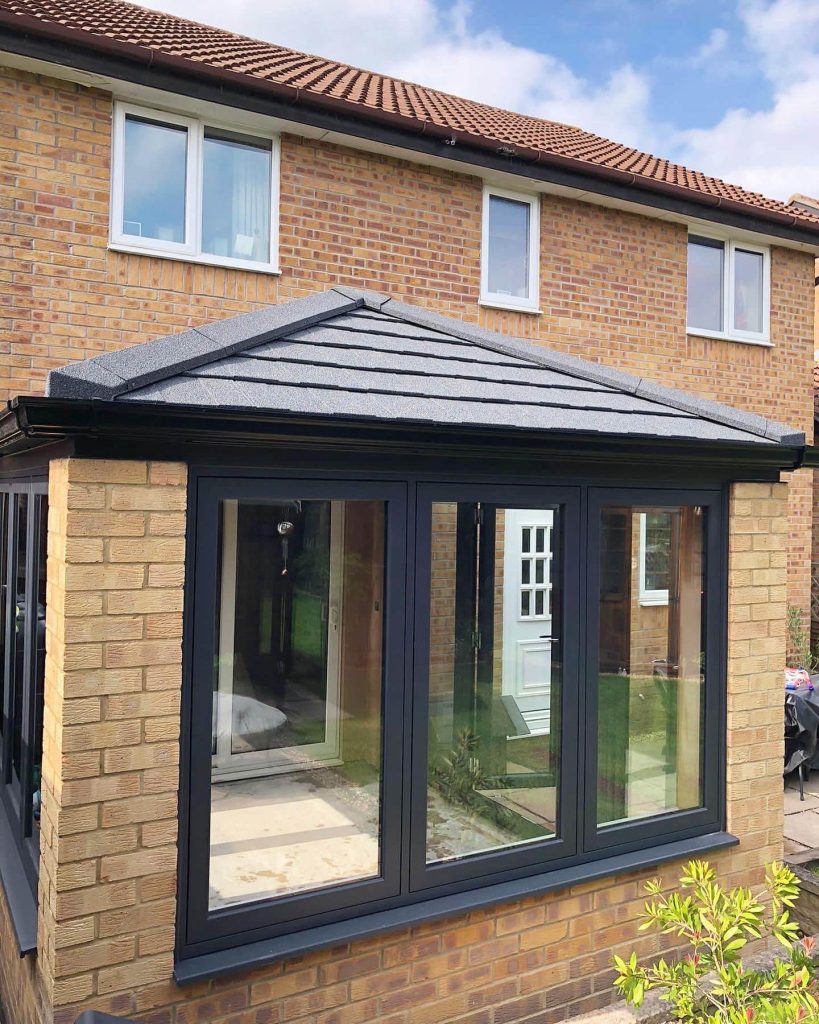
If you are being quoted for a warm roof system for your conservatory, it is worth asking a few simple questions:
A reputable installer should be able to answer these clearly and confidently.
At Emerald Windows and Doors, we believe homeowners should have clear, honest information before making decisions.
When discussing a conservatory roof replacement, we explain:
Different roof types suit different homes.
Some homeowners prefer the light and openness of modern glass roofs, while others choose a tiled conservatory roof for a more solid, room-like feel.
Our goal is not just to improve comfort, but to ensure your conservatory performs properly for years to come.
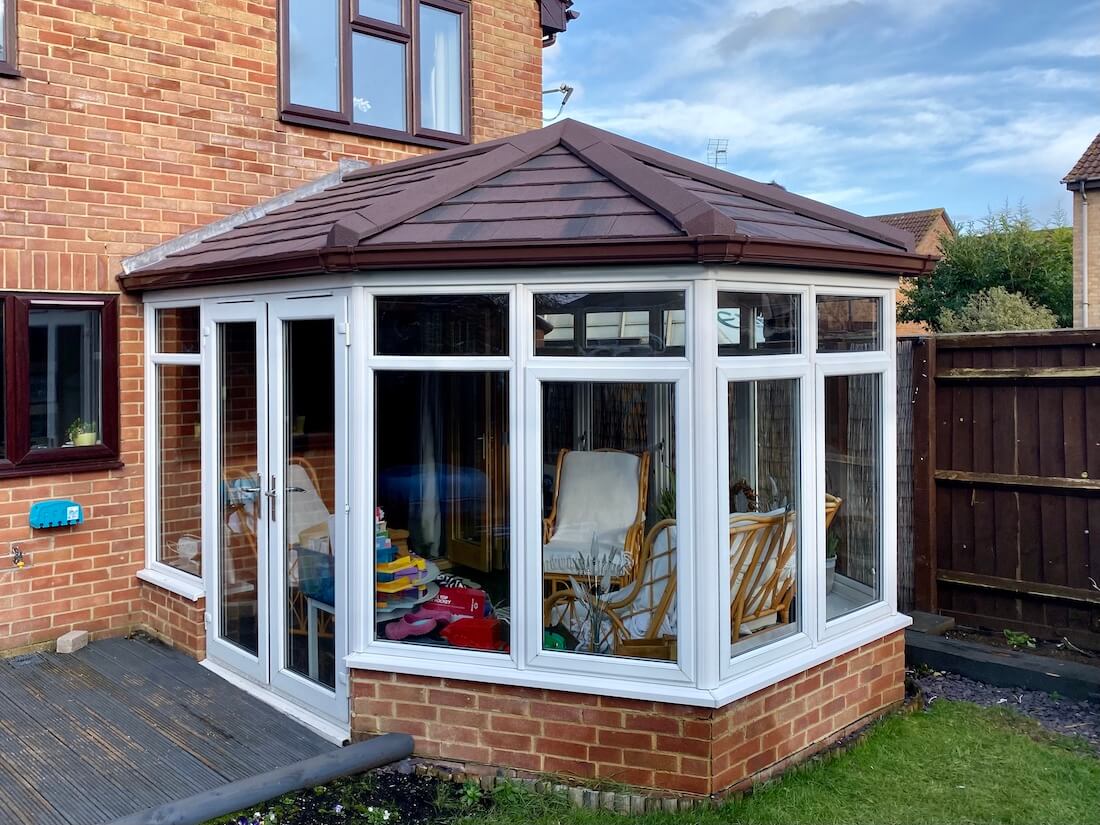
When homeowners choose a tiled conservatory roof replacement, they are usually looking for a space that feels more like a proper room.
That is why we install the LEKA Warm Roof System, a fully tested, lightweight system designed to meet true warm roof standards.
Unlike some systems that rely on timber or metal frameworks, the LEKA roof uses a fully composite GRP structure.
This means the structure is not prone to:
The system includes:
Every component works together as part of a tested system.
The result:
With U values as low as 0.10 and full condensation risk analysis, it is designed to perform properly over time.
No. Some are simply insulated conservatory roofs, while others are fully engineered warm roof systems designed to prevent condensation and thermal bridging.
A true warm roof system is designed to significantly reduce or prevent condensation by keeping the structure within the insulated envelope.
It depends on your priorities. A tiled conservatory roof offers better insulation and a room-like feel, while glass roofs provide more natural light.
Costs vary depending on size, structure, and system used. A proper assessment is needed to provide an accurate quote.
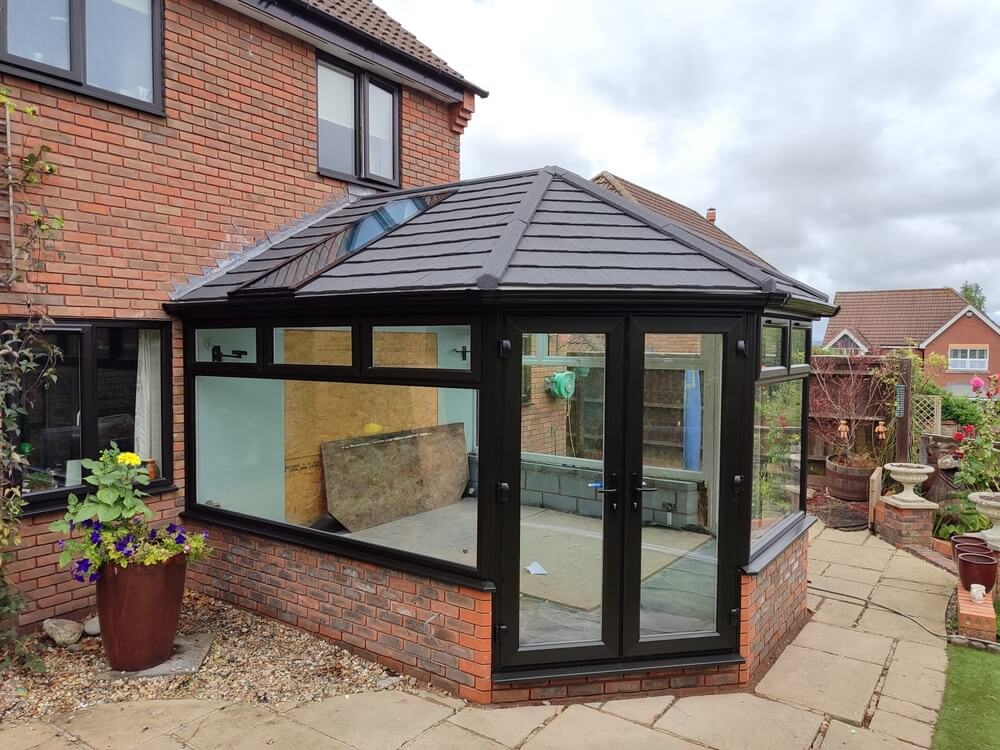
If you are considering a conservatory roof replacement, it is worth getting clear, honest advice before making a decision.
We will assess your existing conservatory, explain your options, and recommend a solution that suits your home – all for free with no obligation.
Get a free conservatory roof assessment and find out whether a warm roof is right for your home.
We pride ourselves on the hundreds of customer reviews that we have collected over our many years of trading. Why not read some of our testimonials yourself, and see how our customers have rated their experience with our service.
See All ReviewsEmerald windows were brilliant. The patio door was removed and replaced with a window. All work was carried out from bricking up the outside to plastering the inside. Great work...

We worried about choosing a window company. We looked at all the usual national firms but we preferred the feel of a smaller local family run business as the rep...
Very pleased with the whole process from Mark letting us see and touch the product in the showroom in Swindon (many don't!), to a transparent price breakdown, no "buy now...

Highly recommend Emerald Windows and Doors; new Front and back doors fitted yesterday. Cannot praise Mark the Fitter enough, courteous, friendly and very helpful. Top job with attention to detail...

Emerald windows have just installed a new composite front door to our property. We are very pleased with the product and the installers were polite, professional and have carried out...