

See Our Latest Finance Deals
Spread the cost of your home improvement Interest Free Over 2 Or 3 Years*

4.9/5 - 611 Reviews
Read Reviews
100% - 88 Reviews
Read Reviews
4.9 - 635 Reviews
Read Reviews Read ReviewsSpread the cost of your home improvement Interest Free Over 2 Or 3 Years*

Proven performance, trusted by hundreds of customers - the SleekSkin finish!

Premium Window Shutters for Style & Privacy

Transform your home with new windows, doors, shutters or a conservatory - pay nothing until 2027.

Choosing between bi-folding doors and sliding doors can feel like a big decision. Both are a popular choice for modern homes, offering more natural light and a stronger link to your outdoor space. But the right choice depends on how you use your home and what matters most day to day.
Here, we break down the key differences to help you decide:
One of the main key differences is how each door type opens.
Bifold doors (or bi folds) fold back in sections, stacking neatly to one side. This means they can open up the entire opening, creating a full width gap to your garden. It’s an ideal solution if you want a clear connection between your living space and outside space.
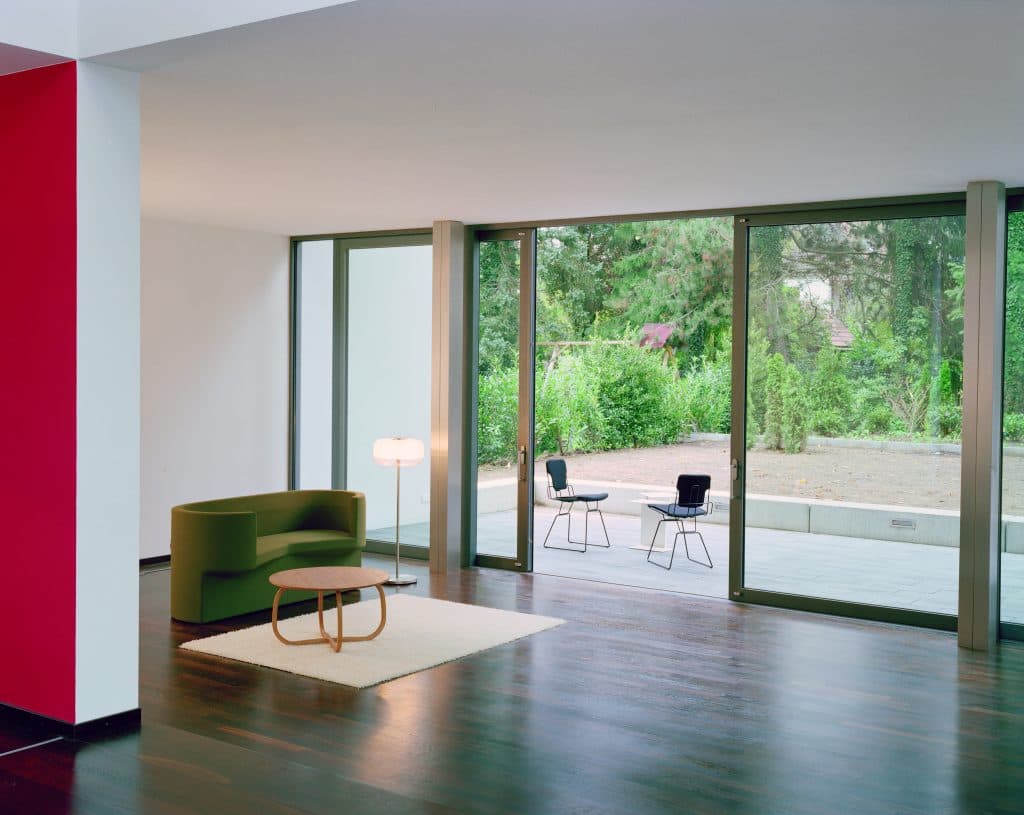
A sliding door, by contrast, works by having each panel slides behind another. This means only part of the opening width is ever accessible. However, because the door panels don’t swing in or out, they are a great option for smaller homes or areas with limited space.
If your priority is uninterrupted views, sliding options often come out on top.
Sliding patio door systems use large glass panels with slim frames and less frame overall. This creates unobstructed views and lets in an abundance of natural light. When in the closed position, you get wide, clear sightlines through large panes of glass.
Bifold doors still offer plenty of light, but the multiple door panels mean more visible frame. While they can open fully, when closed they break up the view more than sliding designs.
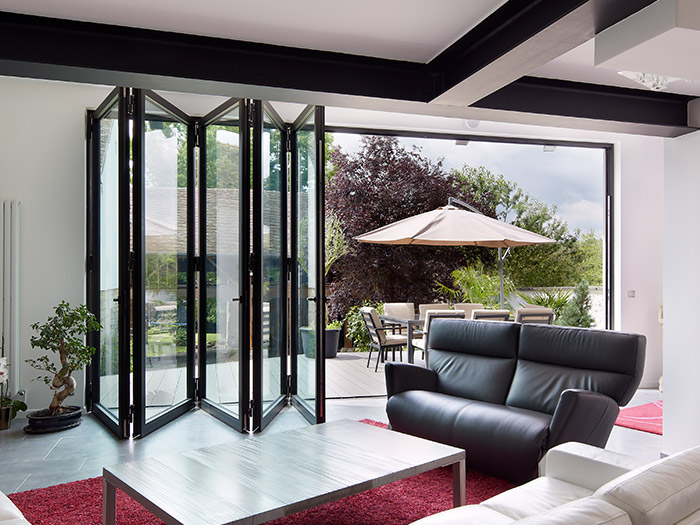
For creating an easy transition, bifold doors are often seen as the clear winner.
They can open almost completely, turning your living space into part of your outdoor space. This makes them perfect for entertaining or summer living, allowing fresh air to flow freely through your home.
Sliding doors still provide a strong connection and easy access, but the opening is always partial. That said, they offer more control for everyday use, letting you open just a small section when needed.
Thermal performance matters for comfort and energy bills.
Sliding doors typically offer strong thermal efficiency thanks to their design. With fewer frames and larger glass panes, there are fewer weak points for heat loss. Modern systems with double or triple glazing and quality frame material improve energy efficiency further.
Bifold doors also perform well, especially with thermally broken aluminium frame systems. However, because they have more joins and locking points, there can be slightly more opportunity for heat loss compared to sliding designs.
Both options are built for smooth operation and long-term use, but there are some differences.
Sliding doors are simple in design, making regular cleaning and maintenance straightforward. With fewer moving parts, they are often seen as a lower-maintenance door style.
Bifold doors have more hinges and moving sections, so they may require a bit more regular maintenance to keep everything running smoothly. Adding a traffic door option can make everyday use easier, allowing quick access without opening the full set.
When it comes to overall cost, both door types are often similar for standard sizes. However, very wide openings with large panes of glass can increase the cost of sliding systems.
Material choice, glazing and opening width will all affect the final price, so it’s always worth getting tailored advice.
There’s no single right choice – it comes down to personal preference and how you use your space.
At Emerald Windows, we’re committed to helping you find the right type of door for your home. Whether you’re upgrading your patio doors or planning a new extension, our team can guide you towards the best choice for your space.
We pride ourselves on the hundreds of customer reviews that we have collected over our many years of trading. Why not read some of our testimonials yourself, and see how our customers have rated their experience with our service.
See All ReviewsEmerald windows were brilliant. The patio door was removed and replaced with a window. All work was carried out from bricking up the outside to plastering the inside. Great work...

We worried about choosing a window company. We looked at all the usual national firms but we preferred the feel of a smaller local family run business as the rep...
Very pleased with the whole process from Mark letting us see and touch the product in the showroom in Swindon (many don't!), to a transparent price breakdown, no "buy now...

Highly recommend Emerald Windows and Doors; new Front and back doors fitted yesterday. Cannot praise Mark the Fitter enough, courteous, friendly and very helpful. Top job with attention to detail...

Emerald windows have just installed a new composite front door to our property. We are very pleased with the product and the installers were polite, professional and have carried out...