


See Our Latest Finance Deals
Spread the cost of your home improvement Interest Free Over 2 Or 3 Years*

4.9/5 - 611 Reviews
Read Reviews
100% - 88 Reviews
Read Reviews
4.9 - 635 Reviews
Read Reviews Read ReviewsSpread the cost of your home improvement Interest Free Over 2 Or 3 Years*

Proven performance, trusted by hundreds of customers - the SleekSkin finish!

Premium Window Shutters for Style & Privacy

Transform your home with new windows, doors, shutters or a conservatory - pay nothing until 2027.

It might sound simple, but knowing how to insulate windows is one of the most effective ways to improve home comfort and reduce energy costs. Poorly insulated or older windows allow warm air to escape and cold air to enter, leading to heat loss, cold drafts and unpleasantly high energy bills. From temporary insulation methods to full window replacement, there are practical options for every budget and property type.
If you are looking for a short term or budget friendly insulation solution, temporary insulation can make a noticeable difference during the colder months.
Draught excluders and insulation tape are another effective way to tackle air leaks around the bottom of your windows and the edges of your windows. These areas are common sources of cold air and energy loss, particularly in older homes with older windows and worn seals.
Thermal curtains, thermal blinds and cellular shades add an extra layer of insulation. By creating an additional barrier between the window glass and the room, they reduce heat transfer and help maintain indoor temperatures. Heavy lined curtains can also reduce external noise and add a touch of charm to heritage window styles. However, it must be remembered that such solutions are only temporary fixes.
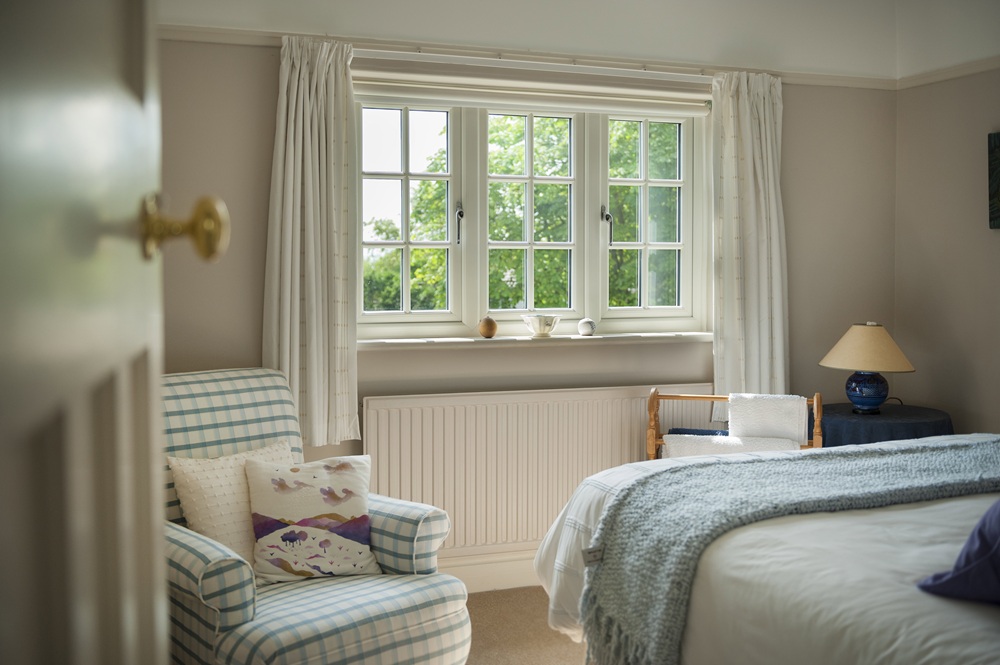
Secondary glazing (which can be provided by Emerald Windows) sits between temporary insulation and full replacement windows. It involves adding an extra layer of glazing to the inside of the existing window. This can significantly reduce heat loss, cold spots and cold drafts while preserving the original window frames.
Options range from glazing film to magnetic systems and permanent secondary glazing. It is often used in listed buildings or where planning restrictions apply, making it a practical insulation method for sash windows and other traditional types of windows.
For long term energy savings and maximum energy efficiency, upgrading to double glazing or triple glazing is the best way to insulate windows. These systems use two or three panes of glass separated by air or inert gas. This reduces heat transfer and energy loss while keeping warm air inside the home.
For example, Emerald Windows’ uPVC window range features multi chambered window frames designed to prevent heat loss and improve room warmth. A rated double glazing can save around £140 a year on energy bills in Great Britain and Northern Ireland while also improving home comfort year round.
Triple glazing offers extra insulation and improved UV protection, making it suitable for exposed locations or homeowners seeking maximum energy efficiency.
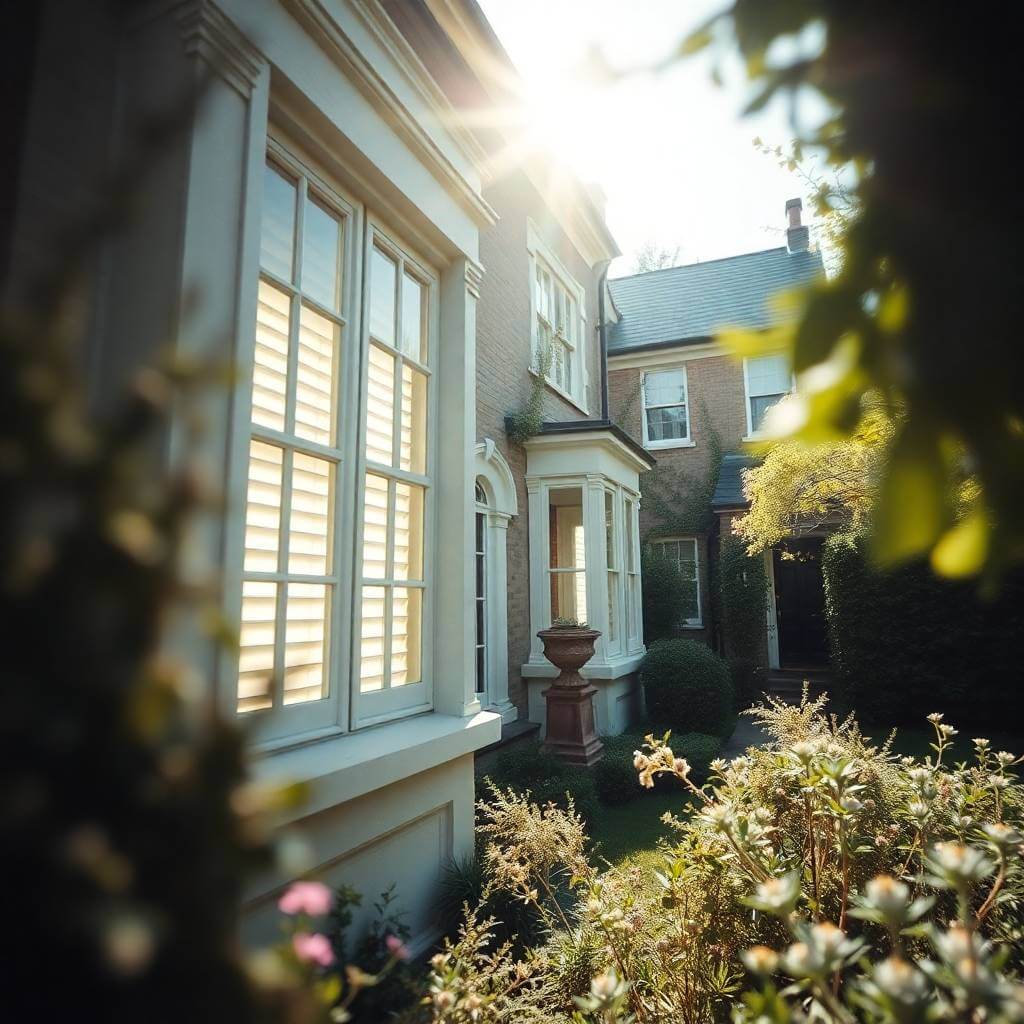
Window insulation performance depends on both the glass and the frame. Emerald offers uPVC, aluminium and timber effect options across casement, flush window, sliding sash, tilt and turn and heritage window styles. This means efficient windows do not have to compromise on appearance or a modern look.
Understanding the cost of window insulation and the potential energy savings helps homeowners choose the most effective way forward. While temporary insulation helps in the short term, replacement windows deliver the greatest long term benefits for energy efficiency, comfort and reduced energy bills.
If you’d like advice on the best way to insulate your windows or to explore replacement windows suited to your property, Emerald’s team can help you find the right solution for your home and budget. Contact us here for more help.
See also:
Bay Replacement Windows: Styles, Costs and Benefits
Why choose uPVC windows? The ultimate guide to style, durability and efficiency
We pride ourselves on the hundreds of customer reviews that we have collected over our many years of trading. Why not read some of our testimonials yourself, and see how our customers have rated their experience with our service.
See All ReviewsEmerald windows were brilliant. The patio door was removed and replaced with a window. All work was carried out from bricking up the outside to plastering the inside. Great work...

We worried about choosing a window company. We looked at all the usual national firms but we preferred the feel of a smaller local family run business as the rep...
Very pleased with the whole process from Mark letting us see and touch the product in the showroom in Swindon (many don't!), to a transparent price breakdown, no "buy now...

Highly recommend Emerald Windows and Doors; new Front and back doors fitted yesterday. Cannot praise Mark the Fitter enough, courteous, friendly and very helpful. Top job with attention to detail...

Emerald windows have just installed a new composite front door to our property. We are very pleased with the product and the installers were polite, professional and have carried out...