


See Our Latest Finance Deals
Spread the cost of your home improvement Interest Free Over 2 Or 3 Years*

4.9/5 - 611 Reviews
Read Reviews
100% - 88 Reviews
Read Reviews
4.9 - 635 Reviews
Read Reviews Read ReviewsSpread the cost of your home improvement Interest Free Over 2 Or 3 Years*

Proven performance, trusted by hundreds of customers - the SleekSkin finish!

Premium Window Shutters for Style & Privacy

Transform your home with new windows, doors, shutters or a conservatory - pay nothing until 2028.

What are the most energy efficient windows? For most UK homes, the answer is triple glazing filled with argon gas and fitted in a well-insulated frame. Modern A rated double glazing follows closely behind.
The right choice depends on your property, your budget and the level of performance you’re looking for. As window specialists, we regularly help homeowners make this decision. This guide brings together our advice on the glass, the frame and the way a window opens.
Key takeaways
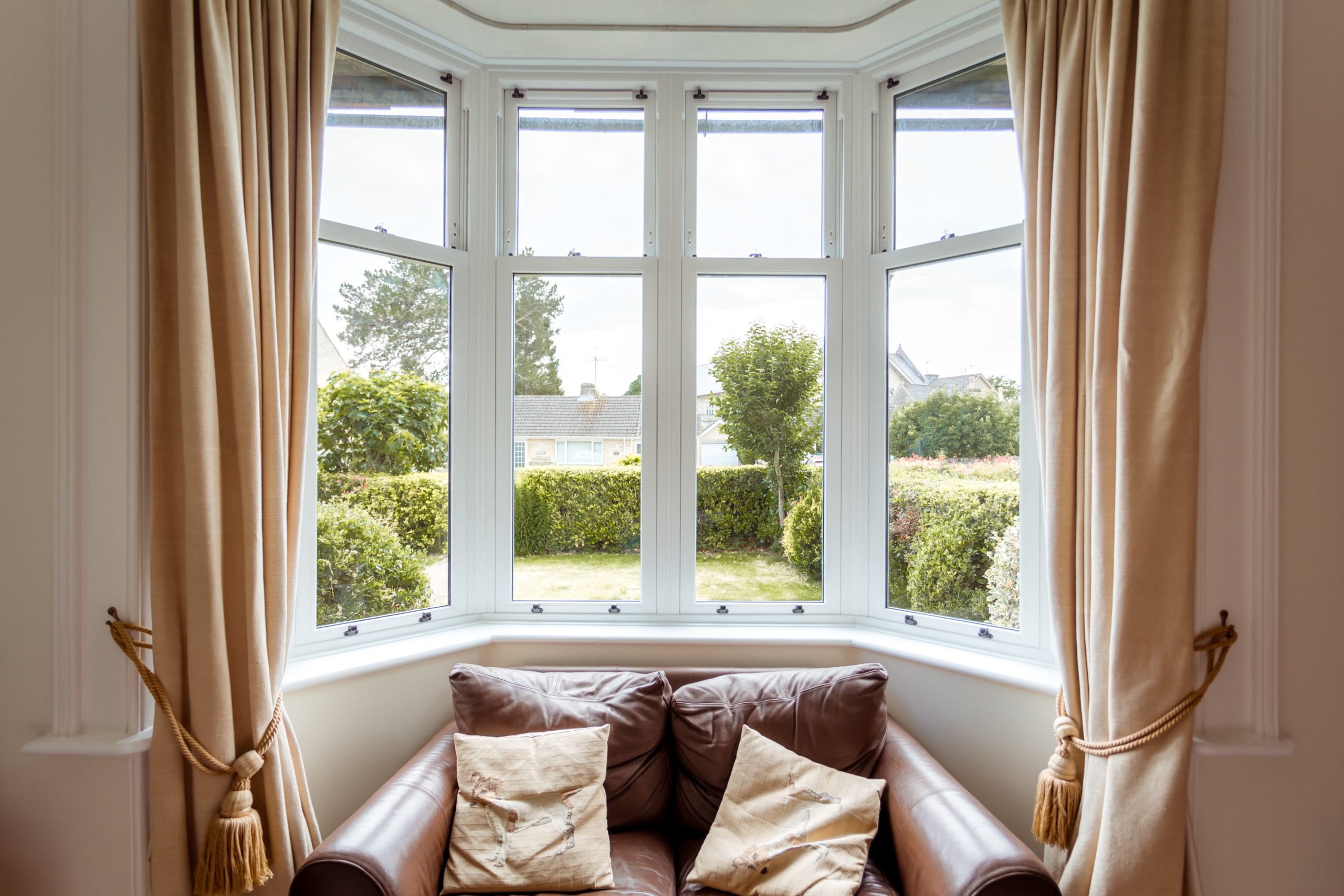
An energy efficient window relies on three things working together: the glass, the frame and how well it’s fitted. For the glass itself, there are two main options to consider.
A modern double glazed window has two panes of glass, usually with argon gas sealed between them and a low emissivity (low-E) coating on the glass. Argon keeps in far more heat than ordinary air, while the low-E coating is a thin, invisible layer that reflects warmth back into the room.
Triple glazing adds a third pane of glass, with argon gas between each layer. That extra pane creates another insulating layer, which is particularly valuable in north-facing rooms or those exposed to wind and rain.
Our A rated double glazing is the right fit for most homes, while our triple glazing offers the highest level of thermal performance we provide. To compare these options properly, it helps to understand how window energy efficiency is measured.
When you’re comparing replacement windows, two figures tell you most of what you need to know about energy performance: the window energy rating and the U-value.
Ratings go from A++ down to E and are based on the complete window, including its frame. Each one takes into account heat loss, solar gain (heat picked up from sunshine) and air leakage (how draughty the window is).
For replacement windows, the bands that matter most are A to C:
All the windows we fit are A rated, so they sit comfortably above that minimum.
A U-value shows the rate at which warmth travels through a window, in W/m²K. A lower figure means less warmth escapes, so your rooms stay warmer for longer.
When comparing U-values, check which figure you’re being given. A whole-window U-value covers the frame and glazing together, while a centre-pane figure covers the glass only. The centre-pane figure is usually lower, which can make a window look more efficient than it is. If you’re unsure what a figure means on any quote, including ours, our team will be happy to explain it.
The type of glass in your windows has the biggest effect on how much heat you lose. As a rough guide, typical U-values for each type of glazing are:
Many of the homes we survey still have double glazing fitted 20 or more years ago. Replacing it can significantly improve comfort, particularly in rooms that are difficult to keep warm.
Triple glazing gives the best thermal performance of any window, keeping more heat in through the colder months and helping to cut outside noise. It costs more upfront, so it suits homes where comfort, noise reduction and long-term energy savings are the priority.
We can fit triple glazing to many of our window styles, so you can benefit from the extra performance without compromising on appearance.
The glass is only part of the picture, as the frame makes up a sizeable part of every window. If it isn’t well insulated, heat can escape around the edges, even with excellent glazing. Here’s how the frames we fit compare:

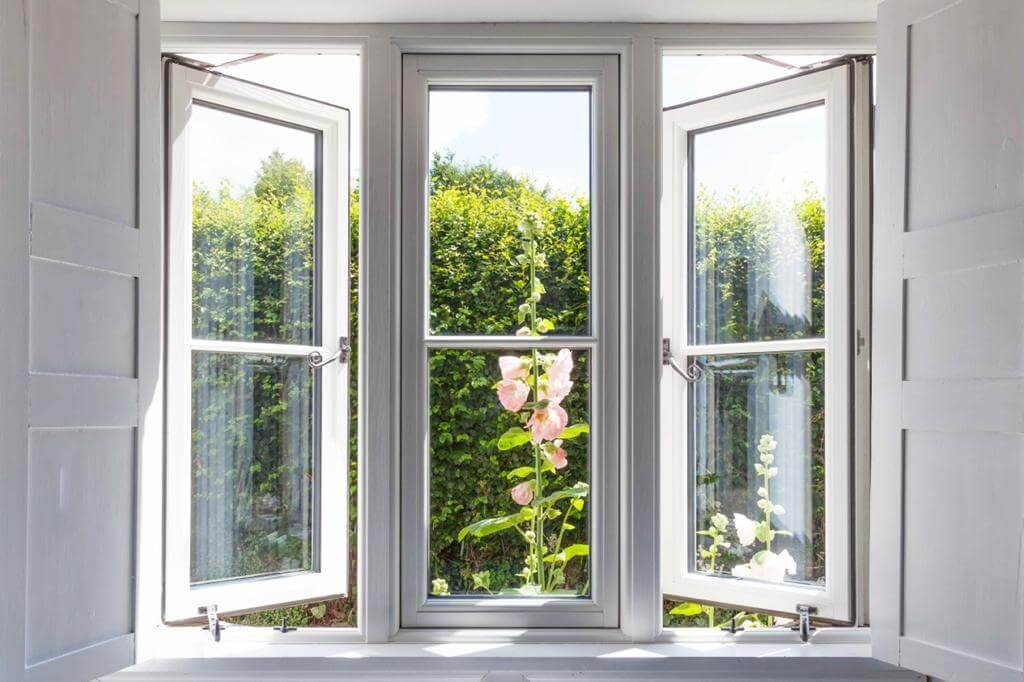
The way a window opens affects how well it seals. Casement windows and tilt and turn windows close firmly against their seals, which helps keep air leakage low. Modern sliding sash windows are designed with efficient seals too, so you can choose a traditional style without the draughts associated with original timber sashes.
We fit all of these, plus flush sash windows and heritage designs. Whichever style you prefer, we’ll recommend the frame and glazing combination that gives you the best energy performance for your home.
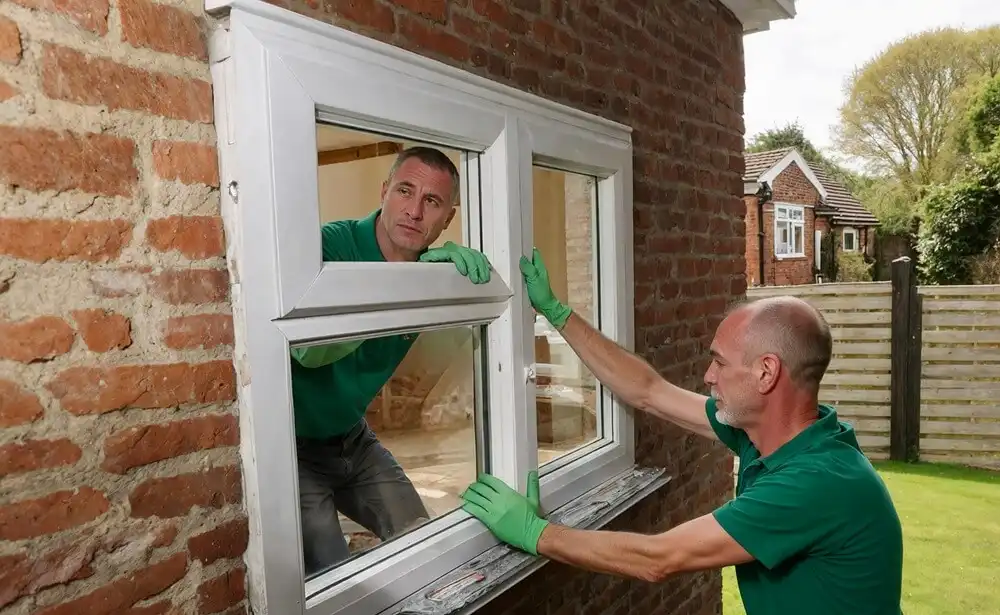
A window’s certified U-value and energy rating come from the frame and glazing together. How well it’s fitted then decides how it performs in your home. Gaps around the frame can cause air leakage and cold spots, often noticeable as draughts around the windowsill, however good the window itself. Even the most energy efficient window will only perform as rated if it’s installed correctly.
That’s why every window we supply is installed by our in-house FENSA registered team. It’s also why our supplier chose to back our installations with a 20 year guarantee.
Since 2004, we’ve helped homeowners across Swindon and the wider South West keep their homes warmer. If you’re considering double or triple glazing, our team can advise you on the specification that will work best for your home and budget.
We pride ourselves on the hundreds of customer reviews that we have collected over our many years of trading. Why not read some of our testimonials yourself, and see how our customers have rated their experience with our service.
See All ReviewsEmerald windows were brilliant. The patio door was removed and replaced with a window. All work was carried out from bricking up the outside to plastering the inside. Great work...

We worried about choosing a window company. We looked at all the usual national firms but we preferred the feel of a smaller local family run business as the rep...
Very pleased with the whole process from Mark letting us see and touch the product in the showroom in Swindon (many don't!), to a transparent price breakdown, no "buy now...

Highly recommend Emerald Windows and Doors; new Front and back doors fitted yesterday. Cannot praise Mark the Fitter enough, courteous, friendly and very helpful. Top job with attention to detail...

Emerald windows have just installed a new composite front door to our property. We are very pleased with the product and the installers were polite, professional and have carried out...