


See Our Latest Finance Deals
Spread the cost of your home improvement Interest Free Over 2 Or 3 Years*

4.9/5 - 604 Reviews
Read Reviews
100% - 88 Reviews
Read Reviews
4.9 - 581 Reviews
Read Reviews Read ReviewsSpread the cost of your home improvement Interest Free Over 2 Or 3 Years*

Proven performance, trusted by hundreds of customers - the SleekSkin finish!

Premium Window Shutters for Style & Privacy

Transform your home with new windows, doors, shutters or a conservatory - pay nothing until 2027.

If you are replacing windows and doors, you have probably come across the phrase “U-value” already, usually next to a small number that does not mean a great deal on its own. It’s one of the most useful figures you will see when comparing window options, and once you know how to read it you’ll be able to make a more informed decision.
In simple terms, a U-value tells you how much heat escapes through a window. The lower the number, the better the window is at keeping warmth inside your home and the cold outside.
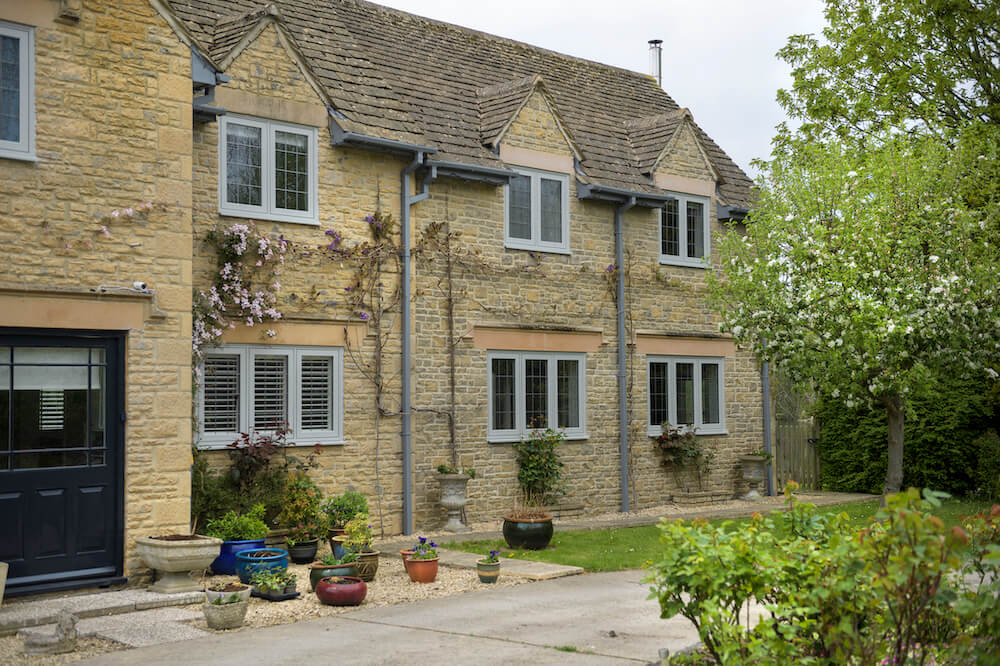
A U-value, measured in Watts per square metre Kelvin, or W/m²K, measures how quickly heat passes through a window, and the lower the number, the better the window is at keeping heat in.
Over the course of a winter, that difference adds up. A well-insulated window keeps more of your heating inside the room instead of losing it back outside, which is where the real savings come from.
Typical U-values for single, double and triple glazing
As a rough guide, here is how the main glazing types compare and what counts as a good U-value:
| Glazing type | Typical U-value | How it rates |
| Single glazing | 4.8 to 5.8 W/m²K | Poor: high heat loss |
| Older double glazing | around 2.8 W/m²K | Below current building regulations |
| Modern double glazing | 1.2 to 1.4 W/m²K | Good: meets current building regulations |
| Triple glazing | 0.8 to 1.0 W/m²K | Best: maximum energy efficiency |
A window’s overall rating is not just about the glass, though. The frame and glazing unit each contribute their own individual values, which combine into a single whole-window figure.
What affects a window’s U-value
The frame typically makes up a fifth to a third of a window’s total area, so its own thermal performance matters:
The glass unit itself makes just as much difference, and a few details are worth knowing about:
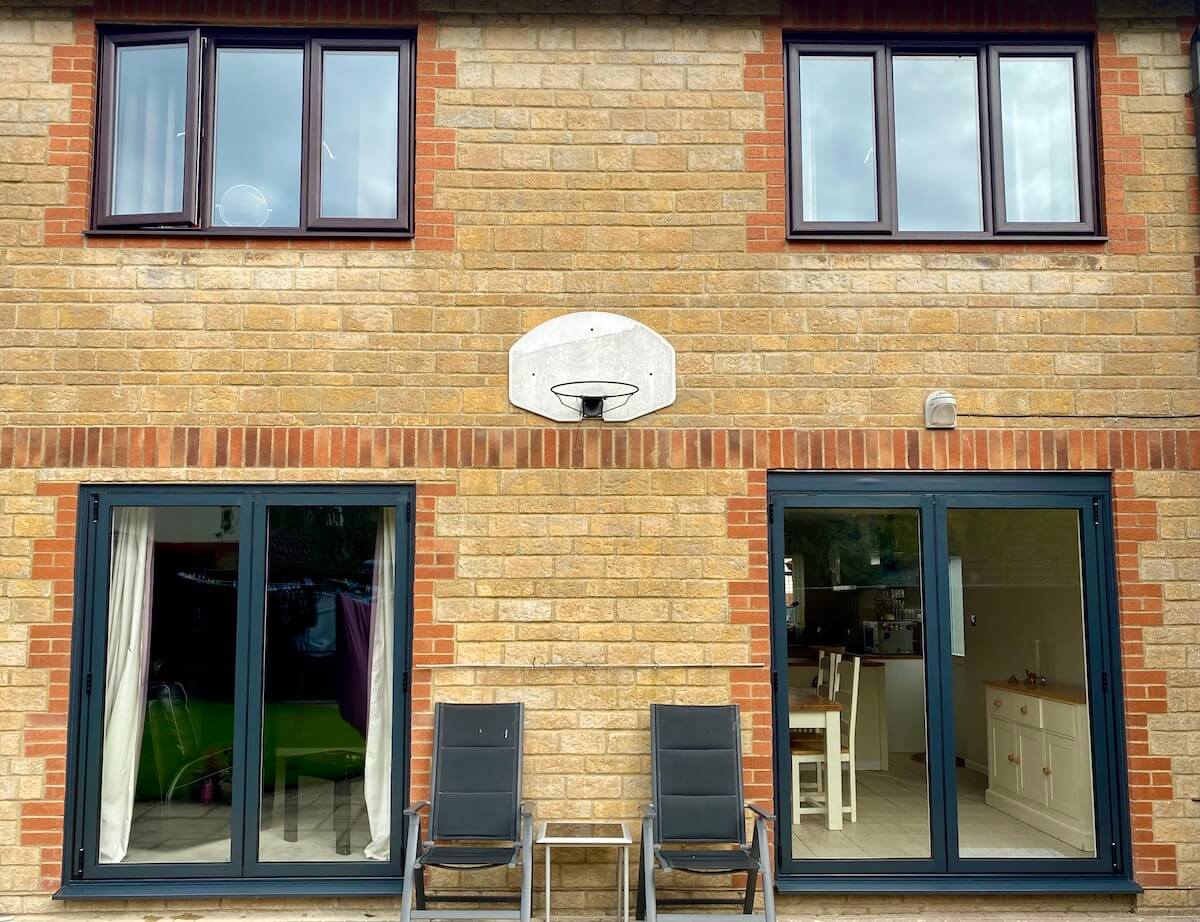
A good U-value is 1.4 W/m²K or lower, the minimum required for replacement windows under English building regulations, known as Document L. The table below shows how that scales up, from a good rating right through to the excellent performance you get from triple glazing.
| U-value | What it means |
| 1.4 W/m²K | UK legal minimum for replacement windows |
| 1.2 to 1.4 W/m²K | Good: modern quality double glazing |
| 1.0 W/m²K | Very good: high-performance double glazing |
| 0.8 W/m²K or below | Excellent: typically triple glazing |
Windows are one of the building components most responsible for heat loss, so a lower U-value has a direct effect on more than just comfort:
A U-value on its own does not tell you everything, so when you are comparing quotes, two things are worth checking:
When we quote replacement windows, we often find homeowners have been given a centre-pane U-value by one company and a whole-window U-value by another, making the products look easier to compare than they actually are.
A genuinely low U-value is well worth the investment, paying for itself over time through lower energy bills and a warmer home in the meantime.
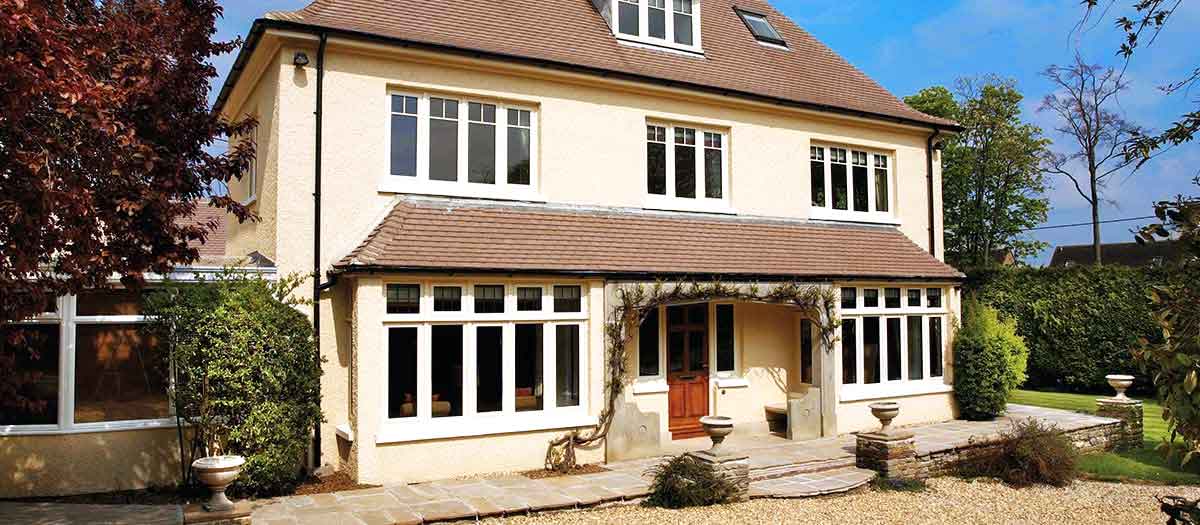
We have been fitting uPVC, aluminium and timber effect windows and doors across Swindon and the surrounding South West since 2004, and our team will always take the time to talk you through what our U values mean for your home.
Get in touch on 01793 700 142 for a free, no-obligation quote, or book a home visit and we will help you find the right windows for your home and your budget.
We pride ourselves on the hundreds of customer reviews that we have collected over our many years of trading. Why not read some of our testimonials yourself, and see how our customers have rated their experience with our service.
See All ReviewsEmerald windows were brilliant. The patio door was removed and replaced with a window. All work was carried out from bricking up the outside to plastering the inside. Great work...

We worried about choosing a window company. We looked at all the usual national firms but we preferred the feel of a smaller local family run business as the rep...
Very pleased with the whole process from Mark letting us see and touch the product in the showroom in Swindon (many don't!), to a transparent price breakdown, no "buy now...

Highly recommend Emerald Windows and Doors; new Front and back doors fitted yesterday. Cannot praise Mark the Fitter enough, courteous, friendly and very helpful. Top job with attention to detail...

Emerald windows have just installed a new composite front door to our property. We are very pleased with the product and the installers were polite, professional and have carried out...