


See Our Latest Finance Deals
Spread the cost of your home improvement Interest Free Over 2 Or 3 Years*

4.9/5 - 597 Reviews
Read Reviews
98% - 88 Reviews
Read Reviews
4.9 - 491 Reviews
Read Reviews Read ReviewsSpread the cost of your home improvement Interest Free Over 2 Or 3 Years*

Proven performance, trusted by hundreds of customers - the SleekSkin finish!

Premium Window Shutters for Style & Privacy

Transform your home with new windows, doors, shutters or a conservatory - pay nothing until 2027.

At this time of the year, an unwelcome sight that greets many householders as they open their curtains first thing in the morning is the appearance of condensation. Water droplets on the inside of windows as been a problem since homes were first glazed, and while it might seem to be a minor nuisance, it points to high humidity levels and can lead to black mould, damp patches and damage to window seals.
Homeowners often ask, ‘How do I prevent condensation on my windows?’ The answer lies in understanding how condensation forms and tackling the moisture at its source.
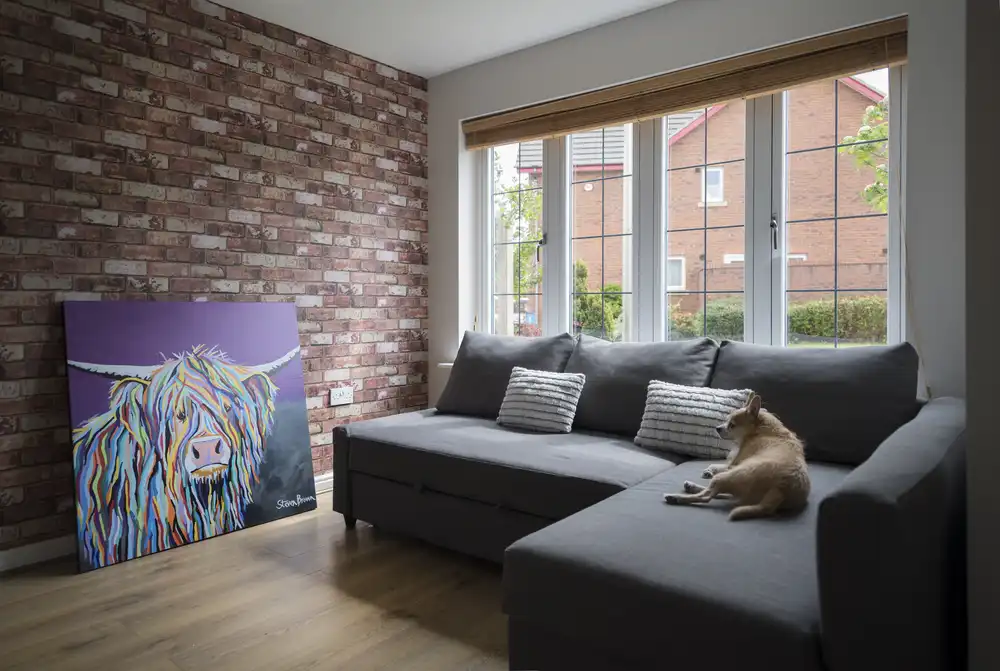
Condensation forms when warm air full of water vapour meets a cold surface such as window glass. As the moist air cools it reaches the dew point temperature and water droplets appear on the colder surface. In cold weather the inside of windows is often the first place this happens because the glass panes are colder than the surrounding indoor air.
Everyday activities create a large amount of water vapour. Cooking, showers, drying wet clothes and even breathing all raise indoor humidity. In modern airtight homes this moist air has fewer escape routes so condensation levels rise.
Internal pane condensation
This is the most common type and appears on the inside of windows. It is caused by high indoor humidity and poor air circulation. It usually means the room needs better ventilation.
Exterior condensation
This appears on the outside of your windows after a cool night. It is a sign of good window insulation. Efficient double glazing keeps heat inside so the outside of the window stays cold and attracts moisture from the cold air. It clears quickly once the air warms.
Between panes condensation
Mist or water droplets between the glass panes point to a failed sealed unit. The air gap that traps warm air is compromised and the window insulation drops. This needs a sealed unit replacement and sometimes new windows.
Improve ventilation
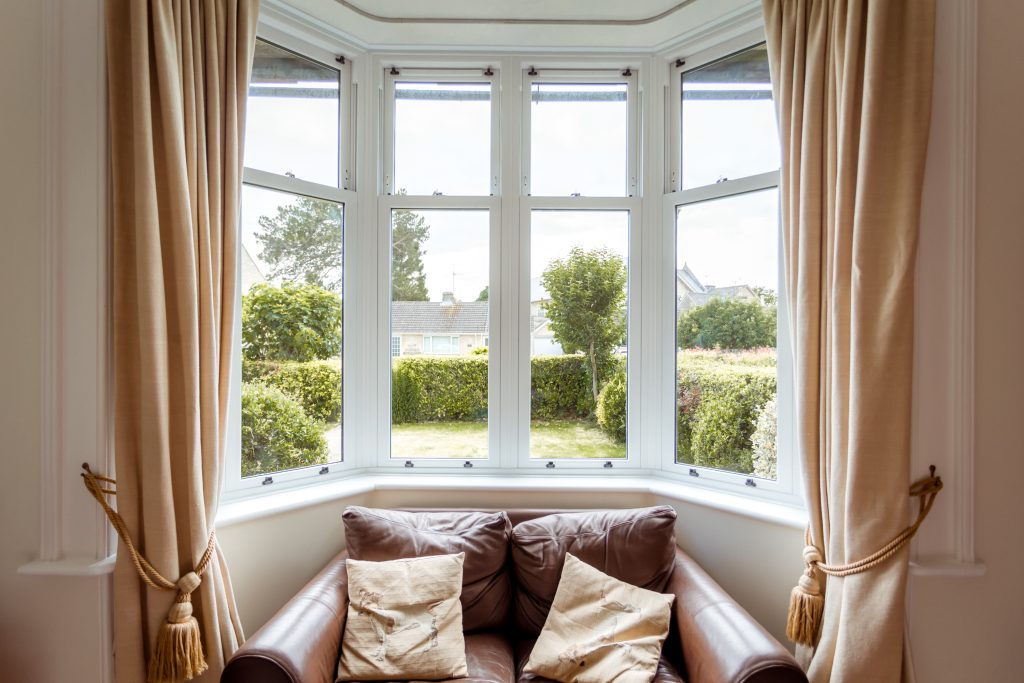
Use extractor fans in kitchens and bathrooms and leave them running after cooking or showering. Keep trickle vents open and use secure open windows for short bursts of fresh air. Good air circulation reduces the amount of condensation on cold glass.
Reduce moisture at source
Avoid drying wet clothes on radiators. Use lids on pans, vent tumble dryers outside and wipe down window panes with a dry cloth each morning to stop water sitting on seals.
Keep a stable temperature
Letting rooms go cold then blasting the central heating creates a sharp temperature difference that encourages condensation. Aim for steady heat across the day so window surfaces stay warmer.
How modern glazing helps
Single glazing cools quickly and reaches the dew point far faster than modern double glazing. With double or triple glazing the air gap between the glass panes keeps the inside of the window warmer so condensation is less likely to form.
Quality uPVC frames add another layer of protection. They reduce heat loss around the window seals and improve overall air quality by supporting trickle vents and better airflow. If your current windows are constantly full of condensation it may be time to look at new windows that offer stronger insulation.
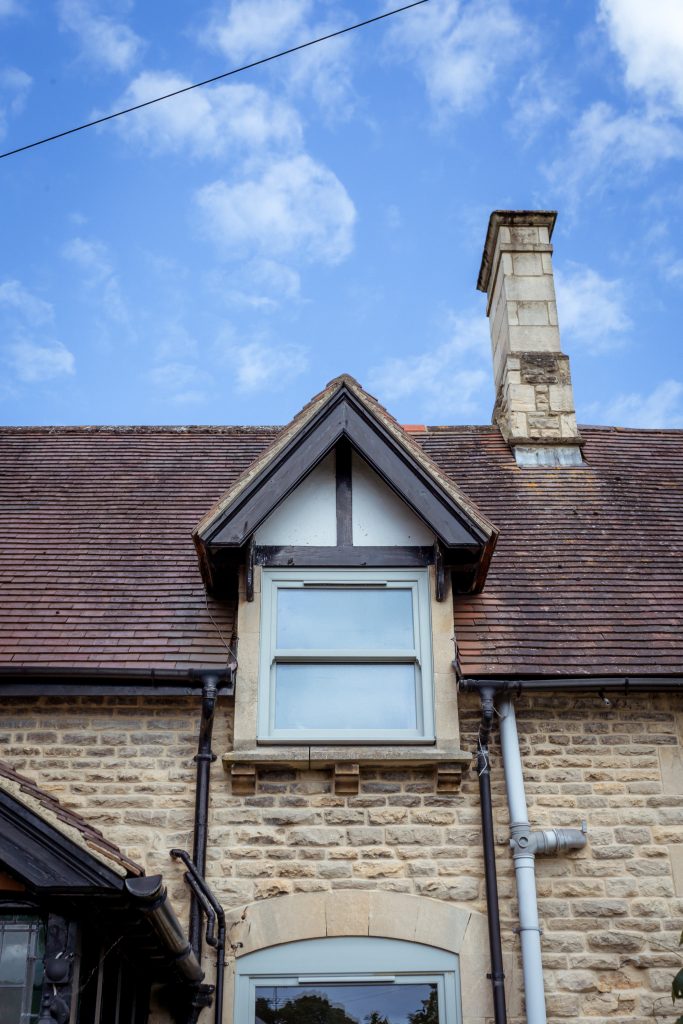
At Emerald Windows we fit modern uPVC windows across Swindon and the South West that help control indoor humidity while keeping homes warm and comfortable.
Do dehumidifiers stop condensation on windows?
They can lower moisture levels but they treat the symptom not the cause. Ventilation is still essential.
Should I wipe condensation off windows?
Yes. Removing water droplets with a dry cloth stops damage to window seals and reduces the risk of black mould.
Does condensation mean my house is too cold?
Often yes. Cold surfaces make condensation more likely especially in living rooms and bedrooms.
When should I worry about condensation?
If it is heavy, daily and appears between glass panes, it suggests excessive humidity or failed window seals that need attention.
If you’re struggling with persistent condensation or want to upgrade your windows for better insulation and a warmer home, contact Emerald Windows today for a free consultation. Our experts can assess your current windows, recommend the right double or triple glazing solutions, and show you how modern uPVC frames can reduce moisture, protect against mould and cut energy costs. Book your free estimate now and take the first step towards a drier, more comfortable home.
Bay Replacement Windows: Styles, Costs and Benefits
How to Choose the Best uPVC Window Suppliers in Swindon
Why choose uPVC windows? The ultimate guide to style, durability and efficiency
We pride ourselves on the hundreds of customer reviews that we have collected over our many years of trading. Why not read some of our testimonials yourself, and see how our customers have rated their experience with our service.
See All ReviewsEmerald windows were brilliant. The patio door was removed and replaced with a window. All work was carried out from bricking up the outside to plastering the inside. Great work...

We worried about choosing a window company. We looked at all the usual national firms but we preferred the feel of a smaller local family run business as the rep...
Very pleased with the whole process from Mark letting us see and touch the product in the showroom in Swindon (many don't!), to a transparent price breakdown, no "buy now...

Highly recommend Emerald Windows and Doors; new Front and back doors fitted yesterday. Cannot praise Mark the Fitter enough, courteous, friendly and very helpful. Top job with attention to detail...

Emerald windows have just installed a new composite front door to our property. We are very pleased with the product and the installers were polite, professional and have carried out...